Posted on 28/09/2026
Westminster Council Rules on Flower Stalls in Marylebone: A Practical Guide for Traders, Shopfronts and Local Businesses
If you are looking into Westminster Council Rules on Flower Stalls in Marylebone, you are probably trying to work out one very practical thing: what can you actually do, where, and under what conditions? That sounds simple enough, but in real life it can get a bit tangled. Marylebone has busy pavements, heritage streets, resident access concerns, delivery traffic, and the usual London mix of footfall, regulation, and common sense. So whether you are planning a flower stall, expanding an existing display, or checking that your setup stays on the right side of local expectations, it pays to understand how the rules tend to work.
This guide breaks the topic down in plain English. We will look at why the rules matter, how the process usually works, what to watch out for, and how traders can stay practical without creating headaches for themselves or for people passing by with coffee in one hand and a meeting to get to in the other.
- Why the rules matter in Marylebone
- How the rules typically work
- Key benefits and practical advantages
- Who this is for and when it makes sense
- Step-by-step guidance
- Expert tips for smoother trading
- Common mistakes to avoid
- Tools, resources and recommendations
- Law, compliance and best practice
- Options and comparison table
- Case study or real-world example
- Practical checklist
- Conclusion
- Frequently asked questions
Why Westminster Council Rules on Flower Stalls in Marylebone Matters
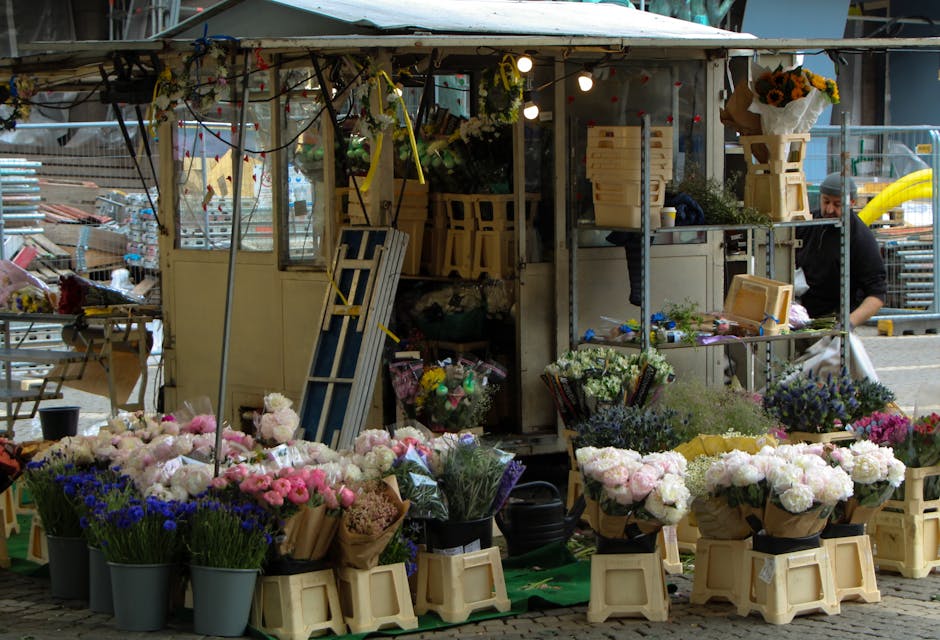
Flower stalls look charming, but the council sees more than colour and scent. It sees pavement width, accessibility, public safety, waste management, trading impact, and the overall character of the street. In Marylebone, those things matter a lot. The area has a polished high-street feel in some places, quieter residential corners in others, and a steady flow of visitors, office workers, and local shoppers. A stall that works beautifully in one location may be a nuisance just a few doors down.
That is why rules exist. They help keep pavements passable, preserve sightlines for pedestrians and drivers, and reduce friction between traders, residents, and nearby businesses. They also create a fairer environment. If one seller is using a large footprint or trading in a way that obstructs access, it can put everyone else at a disadvantage.
To be fair, many people only think about permissions when something goes wrong. A complaint from a neighbour, a visit from an enforcement officer, or a stall that suddenly has to move can quickly turn a neat little business idea into a stressful morning. One minute you are arranging tulips; the next you are wondering whether your display is in the wrong place. Not ideal.
For that reason, understanding the Westminster Council framework is not just about avoiding trouble. It is also about trading more confidently. A compliant stall tends to be easier to run, easier to defend if queried, and easier to build into a reliable local business model.
Expert summary: If you are trading flowers in Marylebone, think beyond the stall itself. The real issue is how the stall fits the street: access, cleanliness, visibility, safety, and the rhythm of local foot traffic.
How Westminster Council Rules on Flower Stalls in Marylebone Works
In broad terms, flower stalls and similar pavement trading arrangements are usually controlled through council permissions, site conditions, and local enforcement expectations. The exact route depends on the location, the nature of the stall, and whether the trading activity affects the public highway or private land. In plain English, if your stall sits on or near the pavement, you should assume oversight matters.
There are a few moving parts. First, the council will typically care about whether the stall is permitted in that location at all. Second, it will care about how much space the stall takes up. Third, it will care about operating hours, movement, display structures, and whether the setup creates clutter or obstruction. And yes, even a small stand can cause issues if it sits awkwardly near kerbs, crossings, or busy entrances.
Marylebone is not a one-size-fits-all area. A floral display outside a boutique on a wider street may be handled differently from a roadside pitch on a narrow pavement with high pedestrian flow. That is where local judgement comes in. Councils tend to look at the context: access for wheelchair users, parents with buggies, emergency access, shopfront visibility, and whether the area already feels crowded.
It also helps to separate a temporary display from a more regular trading arrangement. A weekend promotion, a seasonal arrangement, or a special event setup may be treated differently from a permanent or semi-permanent flower stall. That distinction matters more than many first-time traders expect.
What usually affects approval or enforcement?
- How much pavement or frontage space is used
- Whether pedestrians can pass comfortably
- Proximity to entrances, crossings, junctions, and kerbs
- Noise, litter, water spillage, and general tidiness
- Whether the setup looks temporary, secure, and well-managed
- Any relevant permissions, landowner consent, or trading conditions
That list is not glamorous, but it is the reality of street trading. The prettiest flowers in the world will not cancel out an obstructed pavement.
Key Benefits and Practical Advantages
Following the proper rules may feel like extra admin at first, yet it usually saves time, stress, and money later. In our experience, people who treat compliance as part of the business setup rather than an afterthought tend to run smoother operations and have fewer awkward conversations.
Here are the biggest practical advantages:
- Less enforcement risk: A compliant stall is less likely to be challenged or removed.
- Better customer experience: A tidy, well-placed stall looks more professional and feels easier to browse.
- Improved accessibility: Clear walkways matter to everyone, especially in busy London streets.
- Stronger trading reputation: Local people notice when a business is careful and considerate.
- More predictable operations: When you know the boundaries, you can plan stock, staff, and opening hours better.
There is also a subtle but real commercial advantage. A flower stall that feels intentional and orderly tends to attract more trust. Customers buying roses for a birthday, sympathy flowers, or a last-minute bunch on the way home often make snap decisions. They can tell almost instantly whether a trader feels established or a bit thrown together.
And let's face it, in a neighbourhood like Marylebone, presentation counts. A neat bucket line, sensible signage, and a clear walking route can make a bigger difference than people think.
| Approach | What it looks like in practice | Likely outcome |
|---|---|---|
| Careful compliance | Checked location, tidy layout, clear walkways, appropriate permissions | Lower risk, better credibility, easier day-to-day trading |
| Loose approach | Stall placed by instinct, little attention to pavement width or conditions | Higher risk of complaints, disruption, and enforcement action |
| Reactive approach | Only fixing issues after a complaint or visit | Stressful, time-consuming, and often more expensive |
Who This Is For and When It Makes Sense
This topic is not only for large florists. It matters to a fairly wide group of people, including independent florists, market-style traders, local shop owners, event suppliers, and anyone thinking about a seasonal or temporary stall in Marylebone.
It also matters if you are already operating nearby and considering whether to expand outdoors. A business that already sells from a fixed shopfront may want to place a small floral display outside to catch passing trade. That can be sensible, but only if the layout and permissions support it.
These are the people who usually need to pay attention:
- Independent florists planning a pavement stall or frontage display.
- Convenience or gift retailers adding flowers to improve footfall and basket spend.
- Event-based traders working around weekends, holidays, or weddings.
- New business owners who want to avoid getting the setup wrong from day one.
- Existing traders who are unsure whether a current display still meets local expectations.
If you are asking, "Do I really need to think this carefully about a few buckets of flowers?", the honest answer is yes. In a tightly managed central London area, small details have a habit of becoming big details. A display that looks casual to you may look like an obstruction to someone else. Different eyes, different priorities.
And if you are just testing the waters, that is fine too. Starting with a modest, tidy arrangement is often the smarter move anyway.
Step-by-Step Guidance
There is no magic trick here. The best way to approach flower stall compliance in Marylebone is to work methodically. Not exciting, perhaps, but effective.
1) Identify the exact location
Start by being specific. "Near Marylebone" is not enough. Work out the precise frontage, pavement area, or pitch you want to use. Small differences in street geometry can matter. A spot that looks wide enough at a glance may not be suitable once pedestrians, signs, bins, and door openings are taken into account.
2) Check whether the stall is on public pavement or private frontage
This is a crucial split. If the stall is on public land or affects the public highway, council oversight is usually more significant. If it sits on private property, the landowner may still have rules of their own. Many stalls straddle the line between the two, which is where people get confused. It happens all the time.
3) Think about width, movement, and visibility
Could someone with a buggy pass without weaving? Could a wheelchair user move through comfortably? Could a passer-by see the shopfront or crossing? These are the practical questions that tend to matter most. Councils and residents do not usually want drama; they want a street that works.
4) Plan the stall layout before you trade
Sketch it out, even if only roughly. Put the heaviest or widest items where they will be least intrusive. Keep water containers stable. Avoid creating a little maze of buckets, baskets, and signage. A neat line is usually better than a cluttered spread. It also looks nicer in photos, which never hurts.
5) Build in tidy operations
Flower stalls generate water drips, stems, packaging, and occasional petals on the pavement. A good setup accounts for that. You want easy clean-up, a sensible waste plan, and enough structure that the stall still looks orderly at 3 p.m. on a windy afternoon, not just at opening time.
6) Keep records and permissions organised
Keep a simple file with any permissions, site notes, correspondence, and operating conditions. You do not need a grand binder with colour tabs unless that is your thing. A clean digital folder and a printed copy can do the job. The main point is that you can show you have taken the process seriously if needed.
7) Review regularly
Street conditions change. Nearby works, seasonal footfall, construction hoardings, or new neighbouring businesses can alter the picture. Revisit the arrangement from time to time rather than assuming what worked in spring will still be fine at Christmas. London streets shift fast. Sometimes in the space of a week.
Expert Tips for Better Results
Once the basics are in place, the real gains come from small refinements. These are the details that experienced traders tend to care about, because they reduce friction and make the stall feel polished rather than improvised.
- Keep the display calm and readable. A little breathing room makes the flowers look better and the stall feel easier to approach.
- Use height wisely. Tall arrangements can be beautiful, but they should not block sightlines or create wobble.
- Choose stock that suits the setting. In Marylebone, the style often benefits from a balanced mix of premium and everyday stems.
- Stay consistent with opening times. Irregular trading can confuse customers and neighbours alike.
- Prepare for weather. Wind, rain, and sudden cold snap all affect flowers and public safety.
One small but useful observation: people often browse flowers more slowly than they think they will. If the stall feels cramped, they will simply keep moving. If it feels calm and easy, they stop. That pause is where sales happen.
Also, a tidy damp cloth and a habit of resetting the display after busy periods are worth their weight in roses. Slightly dull advice, maybe, but it works.
Common Mistakes to Avoid
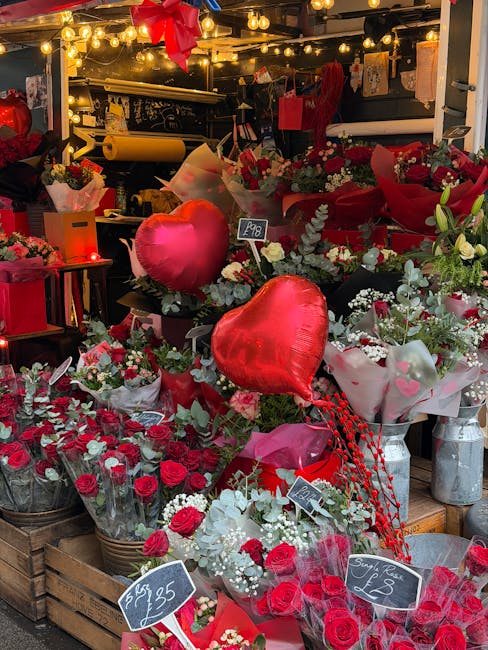
Most problems with flower stalls are not dramatic. They are practical oversights. The frustrating part is that they are often avoidable.
- Assuming a pretty display means it is acceptable. A beautiful arrangement can still obstruct movement.
- Ignoring the pavement context. What looks fine outside one shop may not suit another frontage nearby.
- Overloading the stall. Too many buckets, boards, and add-ons make the space feel messy and harder to manage.
- Forgetting about access needs. A stall should not force people into the road or into awkward sidesteps.
- Neglecting clean-up. Water, broken stems, and packaging build up quickly.
- Skipping checks on renewal or change. A small change in layout or trading pattern can matter more than you expect.
The biggest one, truth be told, is underestimating how quickly a complaint can escalate. A resident who cannot pass easily may not say anything at first. Then one morning, there is an email, and the issue is suddenly very visible. Better to prevent that moment.
And if you think "I will sort it later," well, later has a habit of arriving with a clipboard.
Tools, Resources and Recommendations
You do not need fancy software to manage a flower stall well, but a few simple tools make life easier.
- Measuring tape: Useful for checking frontage width and layout spacing.
- Simple site sketch: Even a hand-drawn plan helps you visualise access routes.
- Photo log: Keep dated photos of the stall setup, especially after changes.
- Operations checklist: Helps staff reset the stall consistently.
- Weather cover and secure containers: Important for keeping displays stable and presentable.
On the business side, it helps to understand your wider trading pages too. If you are offering structured local flower delivery alongside a stall, pages such as flower delivery in Marylebone, your Marylebone florist service, and flower shop options in the area can support the customer journey. For time-sensitive orders, same-day delivery and next-day delivery are often the practical pages people look for first.
That matters because many flower traders now operate in more than one mode: a street-facing presence, local delivery, and event work. If your site, stock, and trading setup all point in the same direction, the business feels more coherent. Small thing, big difference.
Law, Compliance, Standards, or Best Practice
Because flower stalls can involve public pavement, local trade permissions, and accessibility considerations, it is wise to treat compliance as part of the business, not an annoying add-on. The exact legal position will depend on the site and the nature of the arrangement, so caution is sensible. If you are unsure whether your stall requires a permission, or whether a particular frontage is suitable, you should verify the details before trading.
Best practice usually includes:
- Keeping the public route clear and usable
- Maintaining a tidy appearance throughout the day
- Preventing slip hazards from water or debris
- Respecting nearby businesses and residents
- Avoiding excessive visual clutter or encroachment
- Reviewing the setup after complaints, changes, or seasonal shifts
In a place like Marylebone, good practice often does as much heavy lifting as formal rules. If your stall looks considerate, is easy to move around, and does not create friction, you are already doing a lot right.
Practical rule of thumb: if the stall would make you hesitate while pushing a buggy, carrying a shopping bag, or passing someone else with a suitcase, it probably needs adjusting.
Options, Methods, or Comparison Table
There are several ways to trade flowers in and around Marylebone, and the best option depends on your budget, footprint, and how visible you want to be. Here is a simple comparison.
| Method | Best for | Strengths | Watch-outs |
|---|---|---|---|
| Fixed flower stall | Regular trading, predictable footfall | Strong visibility, easy branding, simple customer habits | Needs careful placement, permissions, and ongoing tidy management |
| Small frontage display | Existing shops, modest upsell strategy | Low cost, easy to integrate with a shopfront | Can still obstruct pavement if not planned properly |
| Temporary seasonal setup | Holidays, events, limited campaigns | Flexible, good for testing demand | Needs clear time limits and close attention to conditions |
| Delivery-led model | Customers who want convenience | No pavement footprint, easier to scale across the area | Less street visibility, more reliance on digital marketing |
For many businesses, the smartest route is a hybrid one. A modest local display plus a strong delivery offer can work very well. If you are building that side of the business, pages like best flower delivery in Marylebone and send flowers in Marylebone can help convert browsers who are not ready to walk up to a stall but still want the flowers.
Case Study or Real-World Example
Picture a small florist trying to launch a weekend flower stall near a Marylebone retail street. The owner begins with a generous display: several buckets of roses, mixed seasonal stems, a chalkboard sign, and a small basket arrangement at ground level. It looks lovely at first glance. But by lunchtime, pedestrians begin to bunch up, a parent with a pram has to veer into the road, and the display starts to feel tighter than expected.
Rather than push on and hope nobody notices, the trader reworks the setup. They reduce the number of buckets, move the sign closer to the frontage, and leave a clearer walking line. They also tidy the water trays and re-space the flowers so the display feels lighter and more deliberate. The change is not dramatic, but the result is better: fewer awkward looks, better browsing, and a stall that feels part of the street rather than dropped onto it.
That is the real lesson. In practice, good street trading is often about restraint. Not empty restraint. Just enough. Enough flowers, enough presence, enough structure. The sort of balance that makes people stop because they want to, not because they have to squeeze past something.
We have seen similar setups work well when traders keep the stock edited, especially for premium bouquets and gift orders. A focused display of roses, seasonal mixed flowers, and a few occasion-led options often works better than trying to show everything at once. If the customer can understand the offer in three seconds, you are doing well.
Practical Checklist
Use this checklist before you set up or renew a flower stall arrangement in Marylebone.
- Have I identified the exact pitch or frontage?
- Do I know whether the area is public pavement or private frontage?
- Is there enough clear space for pedestrians to pass comfortably?
- Does the stall avoid entrances, crossings, kerbs, and key sightlines?
- Are the buckets, baskets, and signs stable and tidy?
- Have I planned for water, waste, and spill clean-up?
- Do I understand any trading conditions or permissions that apply?
- Can I show records, photos, or notes if someone asks?
- Is the display easy to reset during the day?
- Would the stall still look presentable after a busy morning or windy afternoon?
If you can tick most of those with confidence, you are in a much better place than the average start-up stall. And that matters.
Get a free quote today and see how much you can save.
Conclusion
Westminster Council rules on flower stalls in Marylebone are really about balance: letting businesses trade while keeping the street safe, accessible, and pleasant for everyone. That balance is easier to maintain when you think ahead, keep the layout tidy, and treat the pavement as shared space rather than spare space.
For traders, the upside is clear. A compliant flower stall is easier to run, easier to explain, and usually more attractive to customers. For shoppers and neighbours, it means a better street experience. Clean, calm, and easy to navigate. Simple, really, though not always easy.
If you are planning a stall, or refining one you already have, take the time to check the setup properly. A little care at the start can save a lot of hassle later, and it often makes the flowers look better too. Funny how that works.
In the end, the best stalls do more than sell flowers. They make the street feel a little brighter, a little friendlier, and a little more human.
Frequently Asked Questions
Do I need permission to run a flower stall in Marylebone?
In many cases, yes, especially if the stall affects the public pavement or highway. The exact requirement depends on the location, the footprint, and whether the setup is temporary or ongoing. It is always wiser to check before trading rather than assume a small display is automatically fine.
Can I put flowers outside my shop if I already lease the premises?
Sometimes you can, but leasehold or shopfront rights do not automatically override public space rules. If the display is on the pavement or creates an obstruction, local permissions and conditions may still matter. It is one of those areas where people often get caught out.
What is the biggest compliance risk for a small flower stall?
The biggest risk is usually obstruction. A stall that reduces footway width, blocks access, or creates a hazard from water or clutter can quickly become a problem. It does not need to be huge to cause trouble, which is the annoying bit.
Are temporary weekend flower stalls treated differently?
They can be, depending on the setup and location. Temporary stalls may face different expectations than permanent or semi-permanent trading arrangements, but they still need to respect access, safety, and local conditions. Temporary does not mean exempt.
How much space should I leave for pedestrians?
There is no single answer that suits every street, because the pavement layout and surrounding activity vary. The practical goal is always to leave a clear, comfortable walking route and avoid making people step into traffic. If in doubt, err on the side of more space.
What flowers work best for a visible but tidy stall?
Seasonal mixed bunches, roses, lilies, and well-edited arrangements often work well because they photograph nicely and can be displayed without creating visual clutter. A focused selection usually looks more premium than a crowded one.
Can I trade flowers from a trolley instead of a fixed stall?
Possibly, but moving displays can still fall under local controls if they occupy public space or affect pedestrian movement. A trolley may look simpler, yet the council will still care about the same practical issues: width, safety, and tidiness.
What should I do if a neighbour complains?
Take it seriously and respond calmly. Review the stall layout, check whether the complaint has merit, and adjust the arrangement if needed. In many cases, a small change solves the problem before it grows into a formal issue.
How often should I review my stall layout?
Review it whenever the season changes, footfall shifts, nearby works begin, or you make a material change to the display. Even without a clear trigger, a periodic check helps you catch things that become invisible through habit.
Is the council mainly concerned with appearance or safety?
Both matter, but safety and access come first. A stall that looks lovely but blocks movement is still a problem. Good presentation helps, though, because it suggests the trader is organised and considerate.
Where does flower delivery fit into this picture?
For many traders, delivery is the other half of the business model. A stall can build local visibility while delivery pages capture customers who want convenience. Services such as local flower delivery, same-day options, and occasion-led bouquets often complement street trading very well.
What is the safest way to start if I am new to street trading?
Start small, keep the setup tidy, document your layout, and make sure you understand the specific location before you trade. The safest first step is usually not the most ambitious one. It is the one that is easiest to defend, manage, and repeat.