Where to Dispose of Floral Waste in Marylebone Responsibly
Posted on 19/09/2026
If you have a pile of wilted roses, packaging tied in ribbon, or a few event leftovers after a busy weekend, you are probably asking the same thing many Marylebone residents and businesses ask: where do I dispose of floral waste responsibly? It sounds simple, but in a dense part of London like Marylebone, the answer depends on what the waste is made of, how much there is, and whether you want the most convenient or the most sustainable route.
In this guide, we'll walk through the practical options for disposing of floral waste in Marylebone without making a mess, creating unnecessary landfill waste, or ignoring best practice. You'll find a clear step-by-step approach, common mistakes to avoid, a comparison of disposal methods, and a realistic checklist you can use straight away. No fluff. Just useful guidance for homes, offices, florists, event planners, and hospitality teams who need to deal with stems, leaves, compostable trimmings, and the not-so-pretty aftermath of a lovely arrangement.
- Why responsible floral waste disposal matters
- How floral waste disposal works in practice
- Key benefits and practical advantages
- Who this is for and when it makes sense
- Step-by-step guidance
- Expert tips for better results
- Common mistakes to avoid
- Tools, resources and recommendations
- Law, compliance, standards, or best practice
- Options and comparison table
- Case study or real-world example
- Practical checklist
- Conclusion
- Frequently asked questions
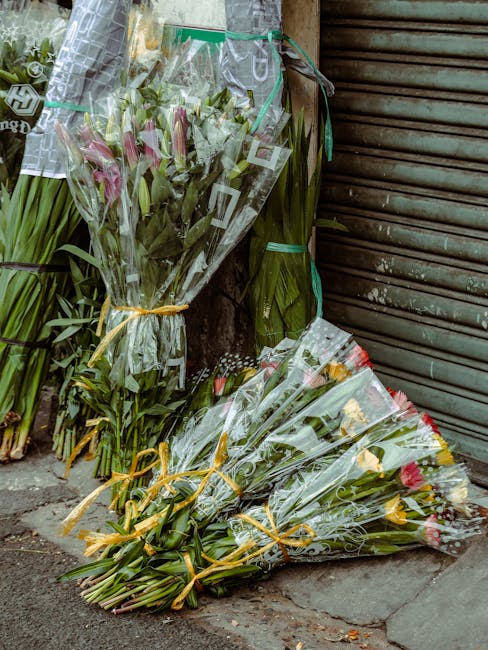
Why Where to Dispose of Floral Waste in Marylebone Responsibly Matters
Floral waste might look harmless at first glance. A few stems, some petals, maybe a soggy ribbon or two. But once flowers start to break down, especially in warm indoor settings, they can quickly become bulky, messy, and a bit whiffy. In a busy area like Marylebone, that matters more than people think.
Responsibly disposing of floral waste is about more than keeping bins tidy. It helps reduce contamination in general waste, supports recycling or composting where possible, and avoids sending perfectly biodegradable material to landfill unnecessarily. To be fair, it also just makes life easier. A well-managed flower clear-out means fewer smells, fewer leaks, and fewer surprises when the bin is collected.
There's also a local practical angle. Flats, offices, hotels, restaurants, retailers, and event venues in Marylebone often work with limited storage and tightly scheduled waste collections. A mixed bin filled with wet stems, plastic wrap, foam, and tape can become a problem pretty quickly. Separate it well, and the whole process becomes cleaner and calmer.
Expert summary: The best floral waste plan is usually the simplest one: separate organic material from packaging, keep wet waste contained, and choose the disposal route that matches the volume and the material. Small habits make a big difference.
It's also a matter of reputation. If you run a customer-facing business, guests notice care. They may not comment on how your waste is handled, of course, but they notice when back-of-house areas smell fresh, the bins are orderly, and sustainability is taken seriously. That quiet professionalism counts.
How Where to Dispose of Floral Waste in Marylebone Responsibly Works
The process starts with one basic question: what exactly counts as floral waste? In most situations, it includes flower heads, stems, leaves, trimmings, dead arrangements, and sometimes compostable foliage from events or displays. But not everything associated with flowers belongs in the same bin.
Here's the practical split:
- Organic floral material: stems, petals, leaves, and soft plant matter.
- Non-organic packaging: cellophane, plastic wraps, ribbons, tape, wire, foam, and tags.
- Mixed materials: bouquets with mixed wrap, floral foam bases, decorative picks, and containers.
In everyday terms, the more you can separate before disposal, the better. Organic waste is often suitable for composting or food-and-garden style collection routes where available, while mixed or contaminated waste usually needs general waste handling. The challenge in Marylebone is that floral waste is often generated in bursts: one wedding, one busy holiday period, one corporate event, and suddenly you've got a bin bag full of stems and soggy ribbon that nobody wants to deal with.
If you are dealing with small household amounts, you may be able to put natural flower material into garden waste or compost it at home if you have the right setup. For business use, especially if the waste is large, frequent, or mixed with packaging, you'll want a more structured disposal approach. That might mean separating waste at source, using a dedicated container, or arranging a waste contractor who understands green waste streams.
One small but important point: if flowers have been treated with glitter, artificial dyes, floral foam, or synthetic detailing, they may no longer be suitable for standard organic disposal. That's where people get caught out. It looks like "just flowers," but it isn't, really.
Key Benefits and Practical Advantages
Responsible floral waste disposal pays off in several ways, and some of them are more immediate than you'd expect.
Cleaner premises
Wet flower waste breaks down fast. Separate disposal reduces odour, leakage, and clutter. This is especially useful in compact Marylebone kitchens, reception spaces, and back rooms where there is not much room to spare.
Less contamination
When floral waste is mixed with plastic wrap, tape, or foam, it becomes harder to recycle or compost. Keeping the streams separate improves the chances of proper processing. That's the sort of unglamorous detail that makes a real difference.
Better sustainability outcomes
Organic waste handled properly has a better environmental outcome than general residual waste. Even if your setup is modest, separating what can be reused, composted, or collected separately helps reduce avoidable landfill use.
More efficient operations
For florists, event teams, hotels, and offices, good waste sorting saves time later. You spend a little more effort at the start, but you avoid scrambling through a nasty mixed bin later. Truth be told, that is usually worth it.
Improved customer and staff experience
Nobody enjoys working next to a leaking waste bag. A tidy disposal system makes the space more pleasant for staff and less awkward for clients or guests walking past the back-of-house area.
And if you're deciding whether all of this is worth the effort, ask yourself a simple question: would you rather deal with one neat, organised collection, or a smelly mixed bin that has been ignored for three days? Exactly.
Who This Is For and When It Makes Sense
This topic is relevant to far more people than just florists. In Marylebone, floral waste builds up in all sorts of places, and each setting has slightly different needs.
- Households: after birthdays, anniversaries, funerals, or simple weekly flower refreshes.
- Florists: daily cuttings, unsold stems, damaged stock, and packaging offcuts.
- Event venues: wedding installs, conference arrangements, table centrepieces, and stage decor.
- Hotels and restaurants: lobby flowers, table displays, reception arrangements, and seasonal installations.
- Offices and corporate teams: welcome flowers, client gifting, and regular decor refreshes.
- Funeral and memorial settings: tribute flowers, wreaths, sheaves, and display pieces that need respectful handling.
It makes sense to think about disposal method before the flowers even arrive. That sounds a bit overplanned, maybe, but it saves hassle later. For example, if you know you'll have a lot of stems after an event, you can place a lined organic waste container nearby, keep packaging separate, and brief staff or suppliers on what goes where.
For smaller personal deliveries, the issue is simpler. You might just need to remove the wrapping, trim the stems, and decide whether the flowers can go into compost or general waste. For larger or recurring volumes, you'll usually want a more consistent routine. That's where local services and clear internal processes start to matter.
Step-by-Step Guidance
If you want a straightforward way to deal with floral waste in Marylebone, use this process. It works well whether you're clearing one bouquet or a whole batch after a function.
- Separate the material first. Take off plastic wrap, ties, tape, foam, wires, and labels. Keep organic matter apart from packaging.
- Check the flower condition. Fresh trimmings and soft organic waste are more suitable for composting or green waste disposal than wilted arrangements contaminated with preservatives, glitter, or synthetic decoration.
- Contain wet waste. Put stems and petals in a bag or bin liner that will not leak. A damp bag on a hot day is nobody's friend.
- Choose the route. Small amounts may suit home composting or garden waste. Larger commercial volumes may need scheduled waste collection or a specialist handling routine.
- Label bins if needed. In workplaces, a simple sign that says "flowers and plant waste only" can prevent contamination fast.
- Remove waste regularly. Don't leave floral waste to rot in a corner. Schedule clear-outs before it becomes a problem.
- Review what's left over. If you keep finding too much plastic in the floral waste stream, adjust your unpacking process or supplier setup.
A practical example: a small Marylebone cafe receives a weekly vase arrangement. Each Friday, staff remove the spent blooms, separate the plastic wrap, and place stems into a dedicated organic waste bag. The routine takes a few minutes, but it prevents the bin from smelling on Monday morning. That's the sort of simple system that works in real life.
Another scenario: a wedding venue clears dozens of table arrangements after an evening reception. If everything goes into one bag, the waste is heavy, wet, and awkward. If flowers, foam, ribbon, and glass are separated on site, the whole job becomes faster and cleaner. Much less drama, frankly.
Expert Tips for Better Results
After enough clear-ups, a pattern emerges. The easiest floral waste systems are the ones that keep decisions simple for the people doing the work.
Keep a separate bin for organic floral waste
A dedicated container reduces mistakes. It does not need to be fancy. It just needs to be obvious. In workplaces, people will use the nearest bin unless you make the right choice easier than the wrong one.
Use a "cut and sort" station
If you process large amounts of arrangements, a small prep area with scissors, gloves, and clearly marked containers can save a lot of time. One side for organic material, one for packaging, one for sharp items. Clean and simple.
Watch for hidden contamination
Some floral products contain floral foam, glitter, floristry wires, plastic picks, or adhesive strips. These can ruin an otherwise compostable batch. Once in a while you'll see a bag that looks green and natural until you turn it over and spot half a roll of tape in the middle. Happens more than people admit.
Drain excess water before bagging
Wet stems can leak and create odours. Let them drain for a few minutes before disposal if possible. It sounds tiny, but it makes handling much easier.
Match the method to the volume
A few roses from home are not the same as a venue's after-event clean-down. Use a different approach for each. That seems obvious, but it is often where people go wrong.
Train anyone who handles flowers
If staff or family members are involved, give them a short explanation of what belongs in each bin. A one-minute briefing beats a full bin sort later on. Easy win.
One more thing: if you're unsure whether an item belongs in organic waste, don't guess. Keep it separate until you've checked. That small pause can prevent a whole bag from being contaminated.

Common Mistakes to Avoid
Responsible disposal is mostly about avoiding avoidable errors. The problems tend to be predictable, which is useful in a slightly annoying way.
- Mixing plastic with petals. Wrap, tape, and decorative film should not go with organic waste.
- Leaving waste too long. Floral waste decays quickly and can become smelly or messy.
- Forgetting floral foam. This material is not the same as plant matter and usually needs separate handling.
- Putting everything in general waste by default. It is the easiest option, but not the most responsible one.
- Overfilling bags. Heavy, wet bags tear. Then you have a floor problem too.
- Ignoring local collection limits. If you use a waste provider or council stream, know what it accepts.
- Not labelling bins. In shared buildings, people need clear prompts.
There's a subtle but important distinction here: floral waste is not always "green waste" in the clean sense. A bouquet can contain natural stems, yes, but also wire supports, coatings, tags, foam, and synthetic ribbon. You need to treat the whole arrangement carefully, not just the pretty bit.
If you ever open a bag and find half a dozen mixed materials you didn't expect, you're not alone. The trick is not to panic. Sort what you can, isolate the rest, and tighten the process for next time.
Tools, Resources and Recommendations
You do not need specialist equipment to handle floral waste well, but a few simple tools make the job easier and cleaner.
- Dedicated waste bins or tubs: one for organic plant matter, one for packaging.
- Heavy-duty bin liners: useful for wet stems and larger clean-downs.
- Sharp scissors or secateurs: for cutting arrangements into manageable sections.
- Gloves: helpful for thorny stems, damp waste, and general hygiene.
- Labels or signs: essential in shared spaces and businesses.
- Compost container or caddy: suitable for smaller amounts where composting is appropriate.
- Collection plan: even a simple weekly routine prevents overflow.
If you also want to reduce waste before it becomes waste, look at arrangement care and flower longevity. A better-kept bouquet lasts longer and creates less disposal volume overall. Our flower care guidance can help with that, especially if you want to make a gift or display last a little longer before it needs clearing.
For businesses that regularly receive flowers, it can also help to review supplier behaviour. Do they use excessive wrap? Are arrangements delivered in reusable containers? Is the packaging easy to separate? These are small details, but they add up. You may also want to consider more sustainable product choices through the broader sustainability approach on the site.
If you're comparing arrangements and thinking about waste-light gifting, a simple bouquet from the florist choice range or one of the more compact options from any occasion flowers may be easier to manage than a heavily wrapped, foam-based display. Sometimes less really is more.
Law, Compliance, Standards, or Best Practice
Floral waste disposal in the UK is usually guided by standard waste segregation and duty-of-care principles rather than anything especially complex for the average household. For businesses, however, there is a real expectation that waste is handled responsibly, kept separate where appropriate, and collected by a suitable service.
In practice, that means:
- separating recyclable, organic, and residual waste where possible;
- avoiding contamination of compostable or recyclable streams;
- storing waste safely so it does not create hygiene or access issues;
- using a waste collection method suitable for the type and volume of material;
- keeping staff informed so waste does not end up in the wrong place.
For commercial premises in Marylebone, best practice is to treat floral waste as part of your wider waste management system rather than as an afterthought. That is especially true for hotels, venues, retailers, and offices that produce recurring waste from displays or events. A clear internal process is usually more effective than a last-minute clean-up. Much less stressful too.
Special care is sensible where flowers are used in memorial or funeral settings. Those materials are often handled with respect as well as practicality. If the arrangement is intended for a sympathy or tribute setting, the waste process should remain discreet, tidy, and considerate. The same applies to corporate events, where clean presentation is part of the environment.
When in doubt, keep the waste stream simple and well separated. That is the safest best-practice approach for most people. If your business has more complex needs, a documented routine is worth having. Nothing dramatic. Just clear, consistent steps.
Options, Methods, or Comparison Table
Different disposal routes suit different situations. The right choice depends on quantity, contamination, and how much effort you want to put in.
| Method | Best for | Pros | Watch-outs |
|---|---|---|---|
| Home composting | Small amounts of clean petals, stems, and leaves | Low cost, simple, environmentally friendly | Not suitable for foam, wire, tape, or treated materials |
| Green waste collection | Households or sites with suitable organic collection options | Convenient for larger natural plant waste | Requires clean separation and knowledge of accepted materials |
| General waste | Mixed waste that cannot be separated safely | Simple fallback option | Less sustainable; can be bulky and smelly |
| Dedicated commercial waste handling | Florists, venues, hotels, and regular high-volume users | Structured, efficient, easier to manage at scale | Needs consistent sorting and process discipline |
For most low-volume users, a clean separation between organic material and packaging is enough to make the right method obvious. For business users, the decision tends to be about scale. Once floral waste starts appearing every day, a formal process becomes less of a nice-to-have and more of a necessity.
Case Study or Real-World Example
Here's a simple real-world scenario from a Marylebone-style setting.
A small boutique near the high street uses fresh arrangements in its front window and on the counter. Every few days, staff replace wilted blooms and trim stems. Initially, everything went into one bag. The result? Damp packaging, a mixed smell by the end of the week, and a bin that was awkward to move.
They changed the process.
Now staff separate the bouquet into three parts: natural stems and petals, wrapping and tape, and any hard items such as tags or wire. A small lidded tub holds the organic material until collection, and packaging goes into a separate bin. The work takes maybe a couple of extra minutes, but the back room stays cleaner and the bin is easier to manage. Not glamorous, but effective.
A second example: a private event in Marylebone used multiple table arrangements and a floral entrance display. The organiser asked suppliers to minimise foam, and the venue set up two clearly labelled containers behind the scenes. The result was a smoother pack-down, faster clearing, and less waste mixed into residual bins. The event team looked organised, which matters more than people like to admit.
The lesson is straightforward: a little planning before the flowers are removed makes disposal far easier afterwards. Every time.
Practical Checklist
Use this checklist whenever you need to clear floral waste responsibly in Marylebone.
- Separate flowers, stems, and leaves from all packaging.
- Remove tape, cellophane, ribbon, wire, and tags.
- Check for floral foam or other non-organic inserts.
- Drain excess water before bagging wet waste.
- Use a dedicated bin or liner for plant material if possible.
- Keep mixed or uncertain items out of compostable waste.
- Dispose of waste regularly so it does not smell or leak.
- Label bins clearly in shared homes or workplaces.
- Review your process after busy periods or events.
- Choose simpler arrangements or lower-packaging options where you can.
If you can tick most of those off, you are already doing better than a lot of people. And honestly, that's the standard to aim for: practical, tidy, responsible.
Get a free quote today and see how much you can save.
Conclusion
Knowing where to dispose of floral waste in Marylebone responsibly is really about having a clear, realistic system. Separate the natural material from the packaging, choose the right disposal route for the volume you have, and avoid letting wet waste build up. That alone solves most of the problem.
For homes, the answer may be as simple as composting clean stems or using the right waste bin. For businesses, it usually means a more structured routine, especially if flowers are a regular part of your customer experience. Either way, the goal is the same: keep things clean, reduce avoidable waste, and make the process easier for the people who have to handle it.
Do that consistently, and floral waste stops feeling like a nuisance. It becomes just another tidy part of the day, handled well and out of sight. A small thing, perhaps, but a good one.
And on a busy Marylebone afternoon, with the street moving past and fresh arrangements still bright on the table, that kind of order is quietly satisfying.

Frequently Asked Questions
Can I put flower stems in my normal household bin?
You can, but it is usually better to separate clean plant material first if you have a composting or green waste option. If the stems are mixed with packaging, tape, or foam, they may need general waste instead.
Are dried flowers treated the same as fresh floral waste?
Not exactly. Dried flowers are still organic, but they can be more brittle and may be mixed with sprays, glitter, or decorative elements. Check what they contain before deciding how to dispose of them.
What should I do with floral foam?
Floral foam is not the same as plant waste and should be kept separate from stems and petals. If it is used in an arrangement, remove it and place it in the appropriate waste stream for non-organic mixed materials.
Can I compost bouquets at home?
Yes, if the bouquet is free from synthetic wrap, wire, foam, and other contaminants. Clean petals, leaves, and stems are usually suitable, but only if your compost setup can handle them properly.
What if the flowers are wrapped in plastic and ribbon?
Remove all packaging before deciding on disposal. The flowers may be compostable or suitable for organic waste, while the wrap and ribbon usually are not.
Is floral waste classed as green waste?
Often it can be, but only when it is mostly natural plant material and not contaminated with non-organic elements. Mixed arrangements are the tricky bit.
What is the best option for a florist with daily waste?
A florist usually benefits from a dedicated sorting routine and a regular collection setup. Separating organic waste at source is the most practical starting point.
How do I stop floral waste from smelling?
Drain wet stems, remove waste regularly, and keep organic material separate in a lidded container or lined bin. Smell usually becomes a problem when waste is left too long or mixed with liquid and packaging.
Do funeral flowers need special handling?
They should be handled respectfully and with care, but the basic disposal principles are similar: separate natural material from non-organic decorations or packaging. If a venue has a specific process, follow that.
Can event venues in Marylebone recycle floral waste?
Sometimes, yes, if the material is clean and properly separated. In practice, the real key is sorting it correctly before it goes into any waste stream. Once contaminated, options become more limited.
What is the biggest mistake people make with floral waste?
The biggest mistake is assuming all bouquet waste can go in one bag. A flower arrangement often contains several different materials, and they need different disposal routes.
How often should floral waste be removed?
As often as needed to keep it dry, tidy, and under control. In busy businesses, that may mean daily. In a home, it might be when the arrangement is fully spent. Don't let it sit around longer than necessary.
Where should I start if I want a simpler flower setup next time?
Choose arrangements with less packaging, ask for reusable or minimal-wrap options where possible, and keep a dedicated bin ready before the flowers arrive. Small changes upfront save a lot of fuss later.